

Food Sensitivity Testing Might Be the Answer
Many people with IBS are doing everything they are supposed to do and still feel uncomfortable after eating. They clean up their diet, avoid obvious trigger foods, try supplements, and manage stress, yet bloating, cramping, or irregular bowel movements keep coming back.
We see this pattern often. Symptoms may ease for a while, then return without a clear reason. In many cases, the issue is not effort or discipline. It is delayed food sensitivities quietly triggering immune stress long after a meal is over.

When IBS Symptoms Don’t Follow the Rules
IBS is typically defined by a group of symptoms rather than a single cause.
These symptoms can include:
• Bloating
• Abdominal pain or cramping
• Diarrhea, constipation, or alternating patterns
• Gas and pressure
• Urgency or incomplete bowel movements
What makes IBS especially frustrating is that symptoms do not always follow a predictable pattern. A food that seems fine one day may cause discomfort another day. Stress can worsen symptoms, but relaxation does not always resolve them. Elimination diets may help temporarily but rarely provide lasting clarity.
When symptoms feel unpredictable like this, it often points to delayed immune reactions rather than simple food intolerance.
IBS Is a Diagnosis, Not a Root Cause
IBS is considered a functional gastrointestinal condition. This means the digestive tract looks structurally normal, but it does not function optimally.
What IBS does not explain is why the gut keeps reacting in the first place.
In many cases, IBS symptoms are influenced by a combination of factors, including:
• Gut immune activation
• Low-grade inflammation
• Nervous system sensitivity
• Hormonal fluctuations
• Food sensitivities
• Altered gut permeability
Without identifying what is driving this reactivity, symptom management alone often falls short.
The Overlooked Role of Food Sensitivities in IBS
Food sensitivities are not the same as food allergies. They do not cause immediate reactions such as hives or throat swelling. Instead, they create delayed immune responses that may occur hours or even days after eating.
Because of this delay, many people with IBS never connect their symptoms to specific foods.
Food sensitivities can contribute to IBS by:
• Triggering immune activation in the gut lining
• Increasing intestinal inflammation
• Altering gut motility
• Heightening nerve sensitivity in the digestive tract
• Disrupting the gut barrier
Over time, this ongoing immune stimulation can keep IBS symptoms active even when major dietary triggers have been removed.

Why Elimination Diets Often Fall Short for IBS
Most people with IBS have already tried eliminating foods on their own. While they can provide temporary relief, they also have limitations.
Elimination approaches often fail because:
• Reactions are delayed and difficult to track
• Multiple foods may be contributing simultaneously
• Hidden ingredients complicate identification
• Stress and immune activation can alter reactions
• Long-term restriction is difficult to sustain
When symptoms improve briefly and then return, it is often because the underlying immune response has not been addressed.
How Food Sensitivity Testing Adds Clarity
Food sensitivity testing offers a more objective way to identify potential triggers contributing to IBS symptoms.
Guessing based on symptoms alone is frustrating, especially when reactions are delayed. Food sensitivity testing looks at how the immune system responds at the cellular level, offering clearer direction instead of repeated trial and error.
How ALCAT Food Sensitivity Testing Works
ALCAT testing evaluates how your white blood cells react when exposed to specific foods, spices, and additives.
Instead of measuring IgE (immunoglobulin E) antibodies associated with allergies, it assesses cellular reactivity, which reflects delayed immune responses commonly involved in IBS.
This testing reflects innate immune cell responses associated with food sensitivities and inflammation rather than IgE-mediated food allergies.
The process includes:
• A simple blood draw
• Laboratory exposure of white blood cells to food antigens
• Measurement of cellular changes and activation
• Identification of foods most likely to provoke immune stress
This information helps highlight foods that may be contributing to chronic digestive irritation even when symptoms are not immediate.
ALCAT testing is not an allergy diagnosis. It is a tool used to better understand immune-driven food reactions that may worsen IBS symptoms.
Common Food Sensitivity Patterns in IBS
While every person is unique, certain food categories frequently appear in IBS-related food sensitivity patterns.
Grains and Gluten-Containing Foods
• Wheat
• Barley
• Rye
• Oats
These foods may contribute to bloating, gas, and abdominal discomfort due to immune activation rather than classic gluten intolerance.
Dairy and Casein-Containing Foods
• Milk
• Cheese
• Yogurt
• Ice cream
Reactions are often related to casein sensitivity rather than lactose intolerance and may worsen bloating, mucus production, and bowel irregularity.
Eggs
Especially egg whites, which may provoke delayed immune responses affecting digestion and inflammation.
Soy-Based Foods
• Tofu
• Soy milk
• Edamame
• Processed soy ingredients
Soy sensitivities can be difficult to identify due to widespread use in packaged foods.
Nuts and Seeds
• Peanuts
• Almonds
• Cashews
• Sesame
• Sunflower seeds
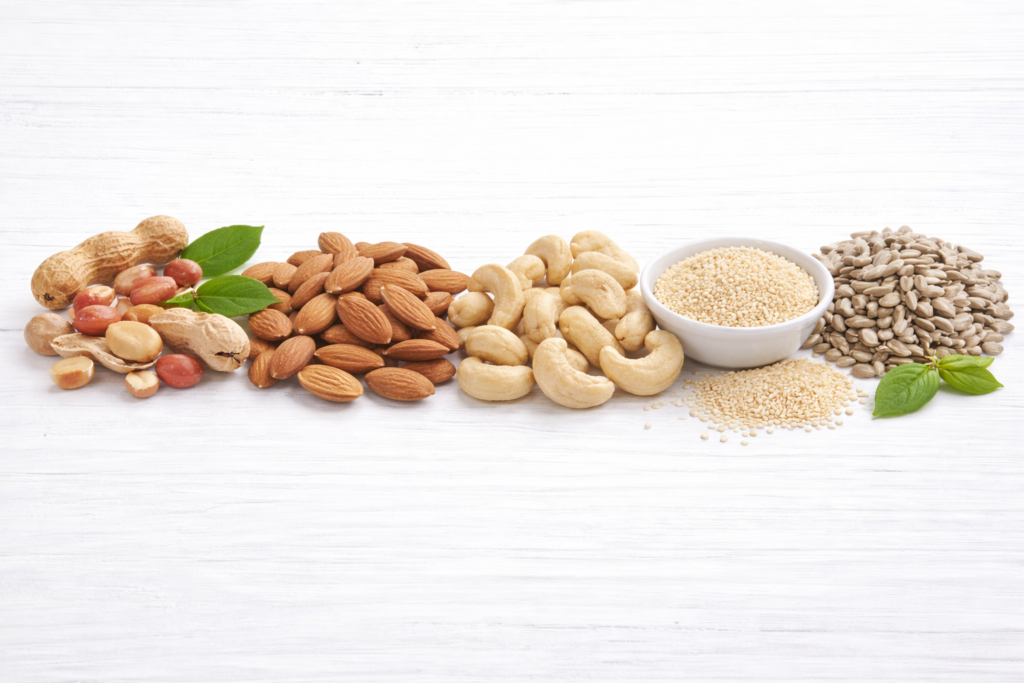
These foods may contribute to inflammation and digestive discomfort in sensitive individuals.
Nightshade Vegetables
• Tomatoes
• Potatoes
• Eggplant
• Bell peppers
• Chili peppers
Nightshades contain compounds that may irritate the gut lining in people with immune-driven digestive sensitivity.
Food Additives and Preservatives
• Artificial colors
• Flavor enhancers
• Sulfites
• MSG
• Preservatives
These substances may exacerbate IBS symptoms by increasing immune and nervous system activation.

IBS Symptoms That May Be Food Sensitivity Driven
Food sensitivities can influence IBS symptoms in ways that extend beyond digestion alone.
Digestive Symptoms
• Bloating and abdominal pressure
• Gas
• Diarrhea or constipation
• Cramping
• Nausea
Systemic Symptoms Often Seen With IBS
• Fatigue after meals
• Brain fog
• Headaches
• Joint discomfort
• Skin flare-ups
Because symptoms may occur long after eating, food sensitivity patterns are often missed without testing.
Why IBS Often Overlaps With Weight and Metabolic Challenges
Many individuals with IBS also struggle with weight fluctuations, appetite irregularities, or difficulty maintaining stable energy.
Chronic gut inflammation can:
• Disrupt hunger and fullness signaling
• Increase systemic stress hormones
• Interfere with metabolic regulation
• Drive cravings and fatigue
This is why addressing food sensitivities can play a role not only in digestive comfort but also in overall metabolic health.
If IBS symptoms coexist with weight challenges, it may be helpful to explore whether your body is signaling a need for deeper support. You can learn more here.
What to Do After Food Sensitivity Testing
Once food sensitivity results are available, the goal is not permanent restriction, but strategic relief and long-term balance.
A thoughtful plan often includes:
Review Results With a Nutritionist
Your results are interpreted in the context of your symptoms, history, and lifestyle.
Temporary Targeted Elimination
Highly reactive foods are reduced for a defined period to allow immune and gut recovery.
Symptom Monitoring
Many people notice improvements such as:
• Reduced bloating
• More regular bowel movements
• Improved energy
• Less abdominal discomfort
Guided Reintroduction
Some foods may be reintroduced gradually as tolerance improves.
Gut Support and Regulation
Digestive health strategies may be integrated to improve resilience and long-term comfort.
Personalized Nutrition Is Especially Important for IBS
There is no universal IBS diet that works for everyone. What soothes one gut may irritate another.
IBS management is most successful when nutrition is:
• Personalized
• Flexible
• Immune-aware
• Sustainable
This is why individualized food sensitivity testing can be a valuable tool for people whose IBS symptoms persist despite standard approaches.
Learn more about how Katalyst Wellness supports personalized food sensitivity testing in San Diego.
Frequently Asked Questions
Can food sensitivities really cause IBS symptoms?
They can contribute significantly. Delayed immune reactions can increase gut inflammation, alter motility, and heighten nerve sensitivity, all of which play a role in IBS.
Is food sensitivity testing the same as allergy testing?
No. Allergy testing measures immediate IgE reactions. Food sensitivity testing evaluates delayed immune responses that are more commonly associated with IBS.
Will I need to avoid foods forever?
Not necessarily. Many sensitivities improve when the immune system and gut lining are supported.
Can food sensitivity testing help even if I’ve tried elimination diets?
Yes. Testing provides objective data that removes much of the guesswork involved in elimination diets.
Is IBS all in my head?
No. IBS symptoms are real and biologically driven. Understanding immune, nervous system, and digestive interactions is key to lasting improvement.
Your Next Step
Many people with IBS feel discouraged because they are following advice and still not getting relief. When symptoms persist despite dietary changes and stress management, it is a sign that something deeper may be driving the reaction.
We work with individuals every day who are surprised to learn that foods they eat regularly and consider harmless are contributing to immune-driven gut irritation. Once those patterns are identified, the path forward often becomes much clearer.
At Katalyst Wellness, we combine evidence-based testing with individualized care to help uncover what is keeping symptoms active and support lasting digestive balance.
If you are ready to explore a more personalized approach, we invite you to connect with our team.