

What ALCAT Testing Reveals
Foods that are considered “healthy” can still trigger inflammation, fatigue, or digestive discomfort in the wrong person. We see it often. Someone eats well, avoids obvious triggers, and still feels bloated, foggy, or off hours later.
These delayed reactions are easy to miss and even easier to dismiss. But they are not random. In many cases, they reflect underlying food sensitivities that quietly stress the immune system long after a meal is over.

What Is a Food Sensitivity?
When most people think about reactions to food, they imagine allergies. Allergies involve the immune system’s immediate response to a protein in food within minutes. These reactions are often obvious, sometimes severe, and involve histamine and immunoglobulin E (IgE).
Food sensitivities are different.
Food sensitivities:
• Often develop over hours or days
• May trigger inflammation without classic allergy symptoms
• Are mediated by other immune pathways (not IgE)
• Can contribute to symptoms that seem unrelated to eating
Because they are delayed and subtle, sensitivities can be hard to pinpoint without a methodical approach.
How ALCAT Testing Works
ALCAT (Antigen Leukocyte Antibody Test) testing measures how your white blood cells respond to foods and additives. Instead of looking for IgE-mediated allergies, it evaluates cellular reactivity, which reflects a delayed immune response.
It’s important to note that ALCAT testing evaluates innate immune cell responses associated with food sensitivities and inflammation, not IgE-mediated food allergies.
The process begins with a standard blood draw. Then, in a laboratory:
- White blood cells are isolated.
- They are exposed to an extensive panel of more than 450 substances, including foods, spices, additives, chemicals, and environmental molds.
- The degree of cellular change is measured.
- Foods that cause excessive activation are flagged.
This tells us which foods are more likely to trigger inflammatory or stress responses in your body even if the reaction does not feel immediate.
ALCAT testing is not a diagnostic allergy test. It is a tool to help identify foods that might be contributing to systemic stress and symptoms over time.
Why Identifying Food Sensitivities Matters
Food sensitivities are not a moral judgement on your eating habits. They are biological responses.
Recognizing them can help you:
• Improve digestion and comfort
• Reduce inflammation
• Support immune regulation
• Improve skin clarity
• Enhance energy and mood stability
• Make sustainable dietary changes
For many people, food sensitivities are an underlying contributor to weight challenges, difficulty with appetite regulation, and unpredictable cravings. This is why food sensitivity testing and personalized plans are an important part of holistic care, including support for metabolic health and sustainable weight management.
If you are navigating persistent weight issues, consider reviewing our approach to medically supervised support at Katalyst Wellness and the difference between medical strategies versus restrictive eating patterns here.
The Most Common Food Sensitivities Revealed
Every person is unique. But research and clinical experience show that certain foods are more likely to trigger delayed sensitivities.
According to food reactivity data and immunologic testing outcomes, the most common foods that challenge the immune system include the following categories and examples:
Grains and Gluten-Containing Foods
Grain products often top the list of reactive foods.
These include:
• Wheat
• Barley
• Rye
• Oats (often cross-contaminated with gluten)

Why this happens:
Gluten and related proteins can be hard to break down for some people. This can lead to increased intestinal permeability and chronic immune activation.
Symptoms often linked to grains and gluten sensitivity:
• Bloating and gas
• Brain fog
• Skin irritation
• Fatigue after meals
• Joint stiffness
Dairy and Casein-Containing Foods
Dairy reactions are extremely common.
This includes:
• Milk (cow, goat, sheep)
• Cheese
• Yogurt
• Ice cream

It is important to distinguish between lactose intolerance (enzyme deficiency) and sensitivity to casein, the protein in dairy.
Common dairy sensitivity symptoms:
• Abdominal discomfort
• Sinus congestion
• Skin breakouts or eczema flare-ups
• Energy swings
Eggs
Eggs are another frequent source of sensitivity, especially the white rather than the yolk.
Potential symptoms:
• Digestive upset
• Inflammation
• Skin issues
• Increased mucus production
Egg sensitivities vary widely, and some people react more to the white than the yolk (or vice versa).
Soy
Soy is common in many processed foods.
Reactions may be triggered by:
• Tofu
• Soy milk
• Edamame
• Processed soy ingredients
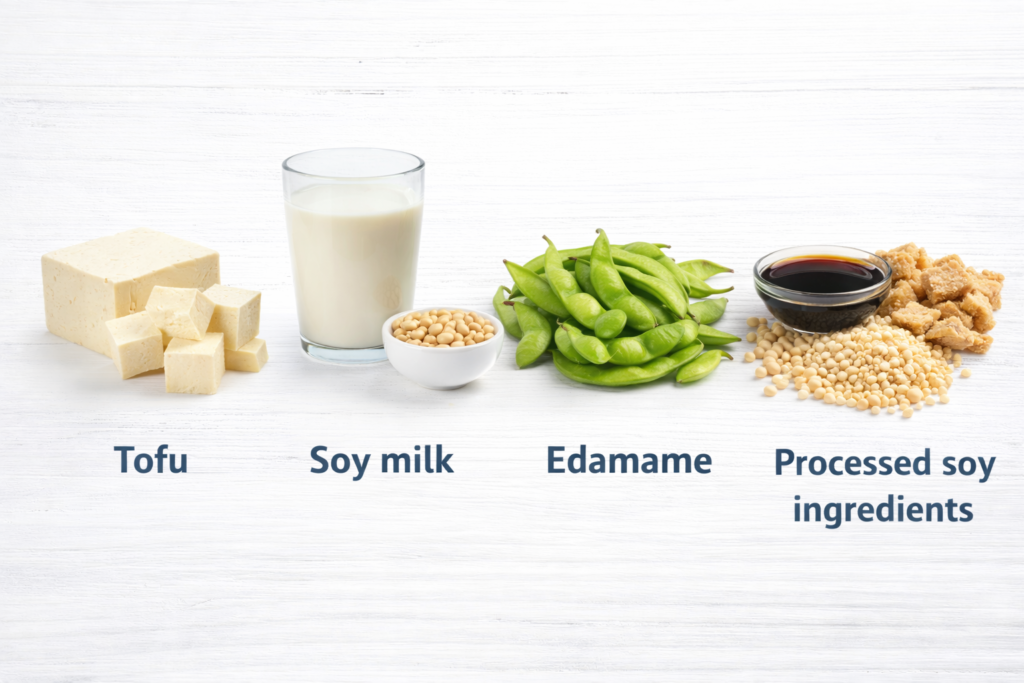
Soy sensitivities can be especially challenging because soy is hidden in many sauces and packaged foods.
Symptoms often include:
• Digestive discomfort
• Hormonal disruptions
• Fatigue
• Joint pain
Nuts and Seeds
Nuts are nutritious and widely consumed. But for some individuals, including those with immune reactivity, foods like:
• Peanuts (actually a legume)
• Almonds
• Cashews
• Sesame
• Sunflower seeds
can trigger subtle immune responses.
These sensitivities often show up as:
• Skin irritation
• Fatigue
• Headache
• Muscle or joint discomfort
Nightshade Vegetables
Nightshades contain naturally occurring compounds that some people find irritating:
• Tomatoes
• Potatoes
• Eggplant
• Bell peppers
• Chili peppers
Symptoms can be:
• Joint inflammation
• Digestive discomfort
• Skin redness
Nightshades are not problematic for everyone, but they do show up frequently on reactive panels.
Additives and Preservatives
Not all food sensitivities come from whole foods. Many people react to:
• Artificial colors
• Flavor enhancers
• Sulfites
• MSG
• Preservatives
These compounds can stress the immune system and the gut lining, especially in people with underlying digestive imbalance.
Typical reactions can include:
• Headaches
• Flushing
• Digestive upset
• Increased heart rate
What Sensitivity Symptoms Look Like
Food sensitivity symptoms are varied and can be frustratingly vague. They can affect multiple systems, including:
Digestive System
• Bloating
• Gas
• Diarrhea
• Constipation
• Nausea
Immune System
• Chronic sinus congestion
• Seasonal allergy worsening
• Low-grade inflammation
Skin and Hair
• Acne flare-ups
• Eczema or rashes
• Dry skin
• Hair thinning
Nervous System
• Fatigue
• Brain fog
• Mood fluctuations
• Poor concentration
Musculoskeletal System
• Joint stiffness
• Muscle soreness without obvious cause
Because these symptoms may show up hours to days after eating, it can be difficult to connect them to specific foods without systematic evaluation.
Why Elimination Alone Isn’t Enough
Most people with food sensitivities have already tried eliminating foods on their own. These involve removing suspected foods for a period and then reintroducing them.
While elimination can be helpful, it often fails because:
• It relies on subjective symptom tracking
• Symptoms are delayed and subtle
• Many foods are hidden in packaged products
• It does not reveal why a food is problematic
ALCAT testing provides objective data. It doesn’t replace professional guidance, but it gives insight into cellular responses that are otherwise invisible.
Personalized Nutrition Is Not One-Size-Fits-All
We see this every day in clinic. Foods that are widely labeled as “healthy” can quietly drive inflammation and symptoms in the wrong person.
In reality:
• A food that nourishes one person may stress another
• Genetic, microbial, and immune differences matter
• Food quality, preparation, and combinations influence reactions
This is why personalized testing and guidance matter.
If you are unsure where to start or need support interpreting results, our team can help you create a customized plan that honors your biology, preferences, and goals.
Learn how our team supports individualized food sensitivity testing in San Diego.
What to Do After ALCAT Testing
Once your personalized ALCAT results are available, your path forward typically involves:
1. Review Results with a Clinician
Your results are a guide. A clinician helps interpret how specific foods relate to your symptoms and health patterns.
2. Implement an Informed Elimination Phase
Foods that show high reactivity are temporarily reduced or removed. The goal is not restriction without purpose but strategic relief.
3. Track Your Body’s Response
You may notice:
• Better digestion
• Improved energy
• Clearer skin
• Enhanced mental clarity
This tracking helps refine your plan over time.
4. Guided Reintroduction
Some foods may be reintroduced gradually to see if your tolerance changes. Sensitivity isn’t always permanent.
5. Integrate Support for Digestive Health
Optimizing gut health can improve tolerance and overall wellbeing.
Long-Term Benefits of Understanding Food Sensitivities
People who understand their body’s responses often experience profound shifts in their quality of life:
• More consistent energy
• Reduced inflammation
• Improved autoimmune and digestive symptoms
• Better appetite regulation
• Sustained weight support
• A calmer relationship with food
Frequently Asked Questions
How is a food sensitivity different from a food allergy?
Food allergies typically cause immediate reactions involving histamine and IgE antibodies. Food sensitivities are delayed and often involve different immune pathways. Sensitivities can cause less obvious symptoms like fatigue or inflammation hours to days later.
Does ALCAT testing tell me what I must never eat?
No. It reveals patterns of reactivity that help you make informed choices. Some foods may be temporarily reduced. Other foods you can enjoy depending on your body’s responses.
Are food sensitivities the same as intolerances?
Not always. Intolerances (like lactose intolerance) usually involve enzymes. Sensitivities involve the immune system and often cause systemic responses.
Can food sensitivities change over time?
Yes. With improved gut health, immune balance, and metabolic support, some sensitivities may decrease while others persist.
Will identifying sensitivities help with weight management?
It can. Reducing inflammatory triggers often supports metabolic health and helps regulate appetite and energy. For many people with persistent weight challenges, combining metabolic support with personalized nutrition is transformative.
Your Next Step
We work with people every day who are doing “everything right” and still feel inflamed, tired, or uncomfortable after eating. If you suspect food sensitivities are affecting your wellbeing, you do not have to figure it out alone.
Our team at Katalyst Wellness combines evidence-based testing with compassionate, individualized care. We help you understand what your body is reacting to and build a plan that actually fits your life.
Ready to take the next step?
Contact us today.